If a mountain or valley view is on your wish list, it is easy to fall in love fast. In Lookout Valley, that first impression matters, but so do the details you cannot always see during a showing. Before you buy, it helps to understand how view quality, slope, access, drainage, and long-term costs can shape the full ownership experience. Let’s dive in.
Why Lookout Valley view homes are unique
Lookout Valley is treated by Chattanooga as a distinct community region, covering the area south of Interstate 24 to Lookout Mountain. That setting gives many homes their appeal, with elevation changes, wooded lots, and scenic sightlines that can feel very different from a typical flat subdivision lot.
Because of that geography, buying a view home here is usually not just about square footage or finishes. It is also about how the lot sits, how easy the home is to access, and whether the view you love today is likely to remain part of the property’s value later.
View quality matters more than “has a view”
Not all views carry the same value. Research published in The Appraisal Journal found that scenic-view premiums are highly site-specific, and in one reservoir case, water-view premiums ranged from 8% to 31% depending on the quality of the view corridor.
For you as a buyer, that means the strongest purchase is often not the home with the biggest windows or the boldest listing description. It is usually the one with the clearest, most durable, and most market-supported view.
A current market snapshot from Realtor.com shows a median listing price of $565,000 in Lookout Valley, with 126 active for-sale listings and homes selling about 1.3% below asking on average in May 2026. Even so, a view premium still needs support from local comparable sales because appraisals rely on recent comps and the appraised value is an opinion, not a fixed number.
What makes a view more valuable
When you compare homes, look beyond whether you can “see something pretty.” A more durable view often comes down to practical features like:
- A wider, less obstructed view corridor
- Less chance of future blockage from trees or nearby building activity
- Good lot placement that connects main living areas to the view
- Manageable access, condition, and maintenance needs
- Comparable nearby sales that help support value
Resale tends to be strongest when the view is hard to replicate and the rest of the property is still easy to finance, maintain, and compare with other homes.
Sun orientation affects comfort and energy use
A beautiful view does not automatically mean a comfortable home. The U.S. Department of Energy says passive solar performance works best when south-facing glass is oriented within 30 degrees of true south, is not shaded during heating season, and is shaded during warmer months.
In simple terms, the direction the home faces can affect how bright, hot, or comfortable your main living spaces feel throughout the day. A dramatic west-facing view may deliver amazing sunsets, but it can also bring more afternoon heat through large windows.
That is why it helps to pay attention to how the home lives, not just how it photographs. If possible, think about how often you would actually use the deck, porch, or patio in different seasons and times of day.
Questions to ask about orientation
As you tour a view home in Lookout Valley, consider asking:
- Which rooms get the strongest afternoon sun?
- Is the outdoor space usable in more than one season?
- Are there trees or nearby lots that could change the light pattern later?
- Does the home have shading features that help with heat gain?
- Is the best view located where you will spend the most time?
These details can make a major difference in day-to-day enjoyment and utility costs.
Slopes and drainage need close review
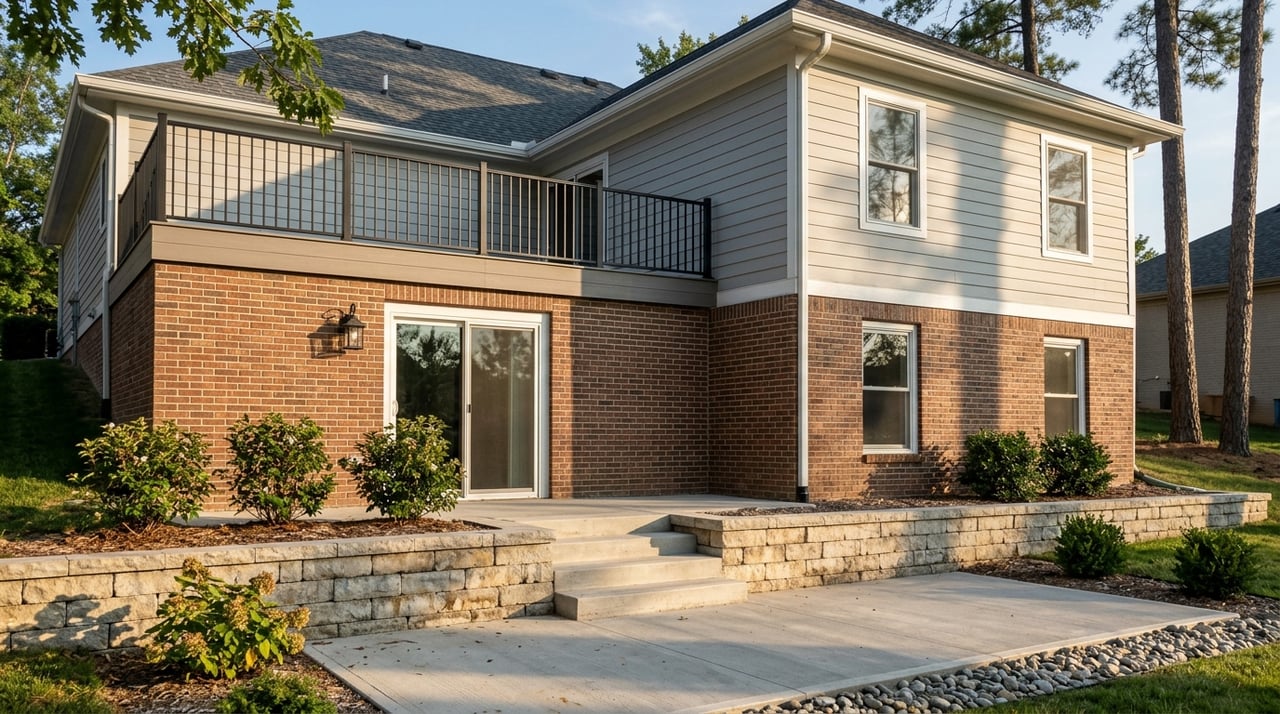
On a hillside property, what looks polished on the surface can still hide expensive issues underneath. Chattanooga’s steep-slope ordinance defines steep slopes as 30% or more, and disturbed slopes may require a certified engineer design to help ensure stability.
The city also connects steep-slope planting and tree preservation to reducing flooding and runoff after land disturbance. For buyers, that means a cleaned-up lot or finished terrace is not enough by itself. You want to know how the site was graded, stabilized, and drained.
The city requires a land-disturbing permit for work affecting 1,000 square feet or more, or for work near state waters or wetlands. That permit process includes a site plan with erosion and sediment controls.
What to verify before you buy
If the property has visible grading or hillside improvements, ask whether these items were permitted and inspected properly:
- Retaining walls
- Terracing
- Drainage work
- Major grading
- Erosion control measures
It is also smart to verify whether the parcel is inside Chattanooga’s corporate limits, because the city’s adopted building and zoning codes apply inside the city.
EPA guidance explains why this matters. Grading and impervious surfaces can increase runoff, and good site design should move water away from foundations and around slopes. The Department of Energy also recommends grading away from the foundation and using gutters, downspouts, and perimeter drainage to prevent saturation.
For a view lot, drainage is not a minor issue. It is part of the home’s long-term maintenance story.
Access can affect safety and convenience
A great view can come with trade-offs, especially when the property sits on a narrow road or a steep driveway. In one Lookout Valley residential fire, Chattanooga Fire reported that the closest hydrant was nearly half a mile away and that roads were too narrow for normal draft operations.
Chattanooga Fire Station 20 also notes that it uses a UTV for rescue operations in wooded and hard-to-access areas. That local context is important because it shows how access conditions can affect real-world response, not just curb appeal.
Check access in person
Before you make an offer, pay close attention to:
- Driveway width
- Turnaround space
- Road condition
- Ease of entry for larger vehicles
- Steepness during wet weather
- Day-to-day parking convenience
These factors influence safety, maintenance, and resale appeal. On some properties, access is part of the value equation just as much as the actual view.
Build inspection and appraisal into your strategy
A view home can justify a premium, but only if the full property supports it. HUD and the CFPB both recommend scheduling a home inspection early enough to identify major problems before closing, and the CFPB notes that buyers should attend when possible.
For a Lookout Valley view property, a thorough inspection matters even more because slopes, drainage, retaining walls, and exterior features can create costs that are easy to miss during a quick walkthrough.
The Appraisal Institute says appraisers look at unique features, condition, foundation, amenities, and comparable sales. If the appraisal comes in low, buyers can seek a reconsideration of value, but the scenic appeal still needs defensible market support.
Smart offer considerations for view homes
When you are structuring an offer, try to account for:
- Inspection timing
- Potential drainage or structural follow-up
- Appraisal support from nearby comparable sales
- Exterior systems like gutters and retaining walls
- The possibility that a view premium may not appraise dollar for dollar
This approach helps you protect both your budget and your negotiating position.
Look closely at taxes and flood questions
If you are stretching for a premium view property, monthly ownership costs deserve a hard look. Hamilton County says property is valued at fair market value and follows a four-year reappraisal cycle, with the last reappraisal completed in 2025.
The county also announced a certified tax rate of $1.51 per $100 of assessed value in June 2025. That means you should not rely only on the seller’s past tax bill when estimating your future payment.
If the lot sits near a creek, drainage path, or low-lying area, flood questions matter too. The CFPB recommends asking about flood and disaster risk before buying and checking whether flood insurance may be required or simply a wise precaution.
In a valley setting, elevation changes and runoff patterns can affect both livability and insurance costs. A home can have a strong scenic setting and still need extra review in this area.
The best Lookout Valley view purchase
In many cases, the strongest view-home purchase in Lookout Valley combines three things: a protected view, manageable slope and access, and a clean inspection-appraisal story. When those pieces line up, you are more likely to enjoy the home now and feel confident about resale later.
If one of those pieces is weak, the view may still be stunning, but ownership can become more expensive and the future buyer pool may be narrower. A careful, local, data-informed approach can help you tell the difference before you commit.
If you want help comparing view properties in Lookout Valley with a practical eye on access, value, and long-term ownership, connect with Tonjia Landreth.
FAQs
What should you check first when buying a view home in Lookout Valley?
- Start with the view’s durability, the lot’s slope and drainage, and how easy the property is to access year-round.
How do appraisals handle a view home in Lookout Valley?
- Appraisers consider unique features, condition, foundation, amenities, and comparable sales, so a scenic view can add value but still needs market support.
Why does drainage matter for a Lookout Valley hillside home?
- Drainage affects runoff, foundation protection, slope stability, and long-term maintenance costs, especially on graded or elevated lots.
What access issues should buyers review for Lookout Valley view properties?
- You should review driveway width, turnaround space, road conditions, steepness, and how easily service or emergency vehicles can reach the home.
How can property taxes affect a premium view home purchase in Hamilton County?
- Since Hamilton County values property at fair market value and completed its last reappraisal in 2025, your future tax costs may differ from the seller’s prior bill.
Should buyers ask about flood risk in Lookout Valley?
- Yes, especially if the home is near a creek, drainage path, or low-lying area where runoff and insurance requirements could affect ownership costs.